Single or Double Wall
L-Line Brazed Plate Heat Exchangers
Designed for Maximum Performance
Brazed plate heat exchangers consist of stainless steel plate, which have embossed chevron patterns. The plates are turned 180° to each other, causing the plate ridges to intersect, and creating a lattice of intersecting channels. The fluids can flow in counter-current or co-current way.
Special corrugation patterns promote high turbulence flow. Turbulence dramatically improves heat transfer rates and reduces the amount of deposits inside the unit.
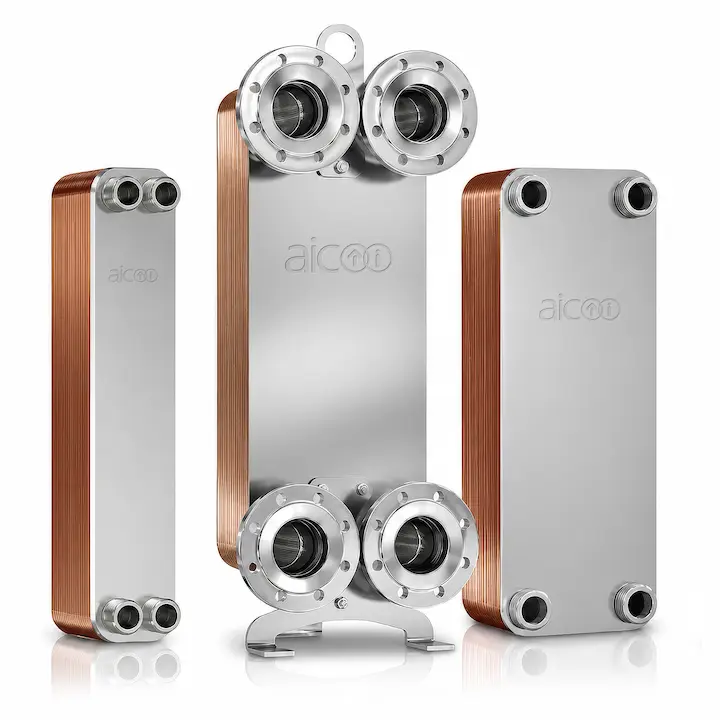

Single Wall Brazed Plate Heat Exchangers
Single Wall features:
- Compact models with high heat transfer capacity
- Stainless steel plates with corrugated surface ensure turbulent flow and structural support to the unit
- High heat transfer coefficient
- Cost efficiency
- Single or double wall option
- Copper, nickel and stainless brazing material available
- Quick and easy installation
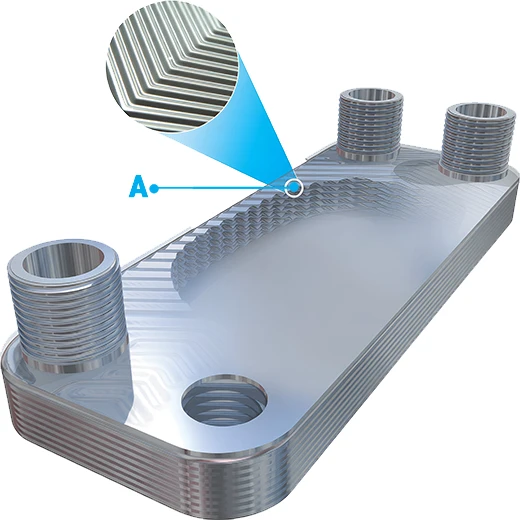
- Stainless steel 316 Heat Transfer plates
Specifications
Technical
Looking for a custom solution?
Talk to usChoose from Single or Double Wall Brazed Plates
Maximum Working Parameters
Pressure
- Up to 650 PSI (4.48 MPa)
Temperature
- Up to 445°F (230°C)
Materials
- Standard: Stainless Steel SS316L Heating Plates
- Brazing: Copper, Nickel, and Stainless
Applications
- Condensers and evaporators in refrigeration systems
- Oil coolers
- Close approach fluid-to-fluid heat transfer
- Industrial process heat recovery
- Solar and geothermal heating
- Hydronic heating and cooling
- District heating and cooling
- Gas cooling
L-Line Technical Product Specifications
The product information and literature on this website are intended as a guideline for general purposes only. Models, dimensions, and operational parameters are subject to change at AIC's discretion. Contact AIC directly for updated design specifications.
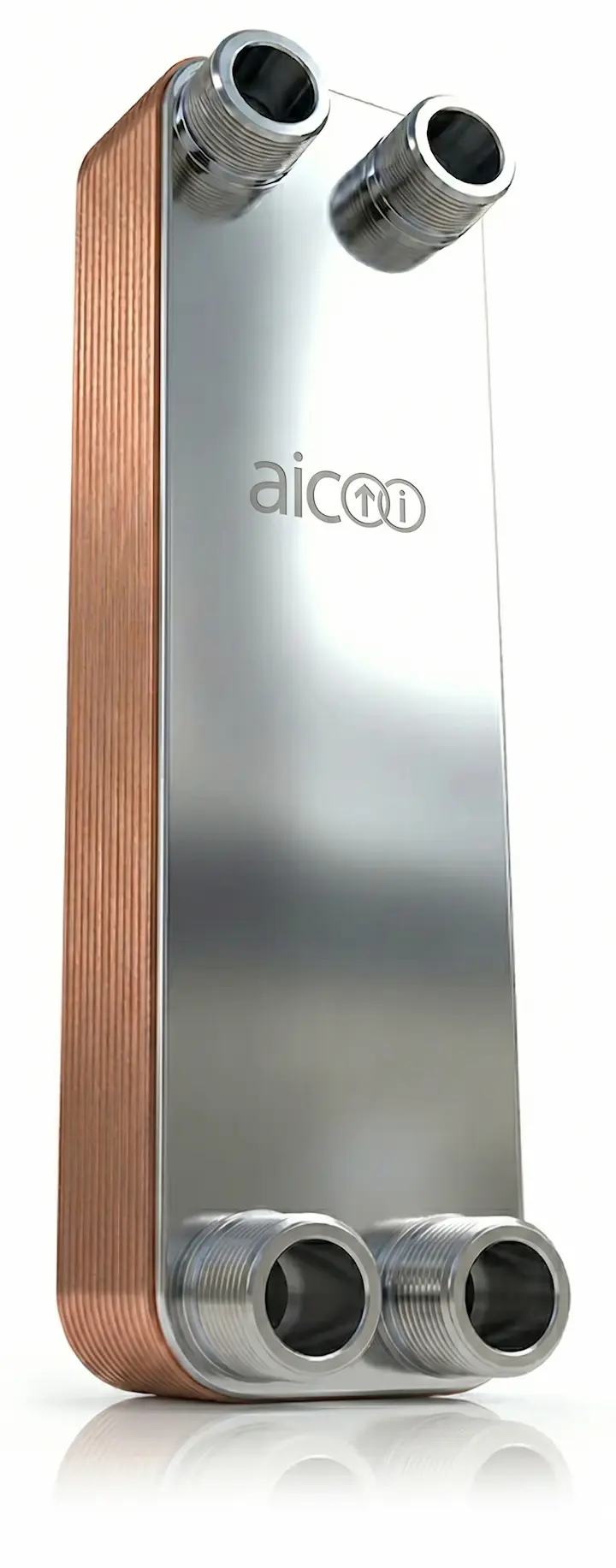
Double Wall Brazed Plate Heat Exchangers
The design of the double wall brazed plate heat exchanger reduces the risk of cross contamination of fluid streams if there is an internal leak within the unit.
Two stainless steel plate walls separate the fluid streams, with an air gap in between. In the event of a leak, the affected fluid will flow into the air gap and escape out of the heat exchanger, enabling visual detection of the leak.
Double Wall features:
- Visual leak detection
- Reduces risk of fluid cross-contamination
- High thermal efficiency
- Compact design, small footprint

Leaks escape into the atmosphere through the air gap between the double walls.