Heat Exchangers for Wastewater Treatment & Marine
Built to Perform in the Harshest Fluid Environments
Seawater, industrial effluent, and wastewater are among the most aggressive fluids a heat exchanger will ever face. Corrosion, biofouling, and sediment can shut down equipment fast if your materials and design aren’t up to the task.
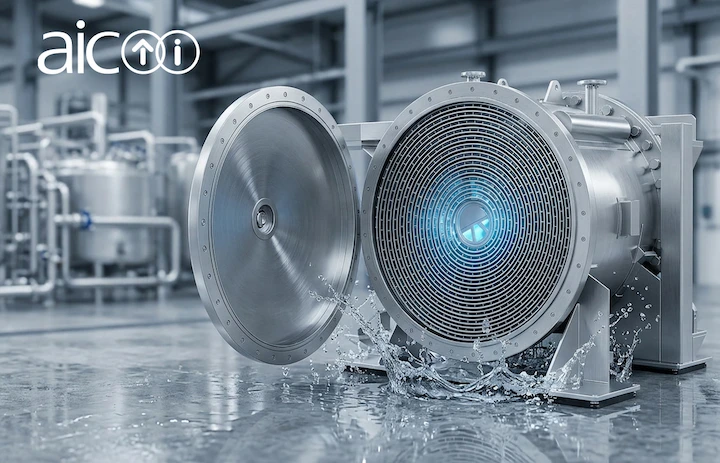
AIC heat exchangers are built with titanium, marine-grade stainless steel, and corrosion-resistant alloys to deliver reliable thermal performance in wastewater treatment plants, marine engine rooms, and industrial water systems.
Designed for your application:
- Chlorinated
- Marine
- Saltwater Applications
AIC Solutions for Wastewater & Marine Systems
From treatment plants to engine rooms, AIC heat exchangers handle the corrosive, high-flow conditions other units can’t.
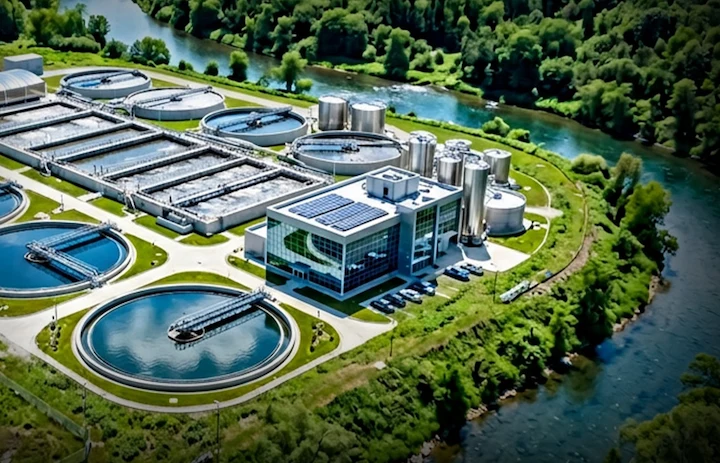
- Wastewater & Effluent Heat Recovery: Recover thermal energy from warm effluent streams to preheat incoming water, reduce energy consumption, and support anaerobic digestion processes.
- Marine Engine & Seawater Cooling: Titanium and marine-grade heat exchangers that protect engines, lube oil systems, and auxiliary equipment from saltwater corrosion while maintaining reliable cooling.
- Industrial & Process Water: Precise temperature control for industrial effluent, cooling water, and process water systems, protecting pumps, motors, and treatment equipment from fouling and thermal stress.
Corrosion-Resistant. Fouling-Resistant.
Wastewater and marine environments don't wait for your maintenance schedule.
That’s why AIC’s heat exchangers are engineered to operate reliably in environments that destroy standard equipment:
- Material Selection That Matches Your Fluid: Titanium, marine-grade stainless steel, and specialty alloys chosen specifically for the corrosive, abrasive, or biologically active fluids in your system.
- Fouling and Biofouling Resistance: Designed to minimize sediment buildup, biofilm growth, and scaling that reduce heat transfer and force unplanned shutdowns.
- Effluent Energy Recovery: Capture waste heat from treatment processes and warm discharge streams, offsetting facility heating costs and improving overall plant energy efficiency.
- Continuous Operation in Harsh Conditions: Built for round the clock duty in high-flow, variable-temperature environments where reliability is not negotiable.
The Right Sanitary Heat Exchanger for Your Facility
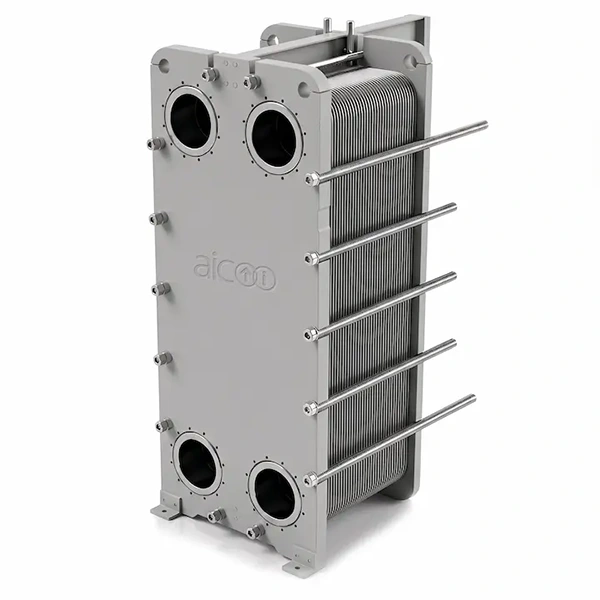
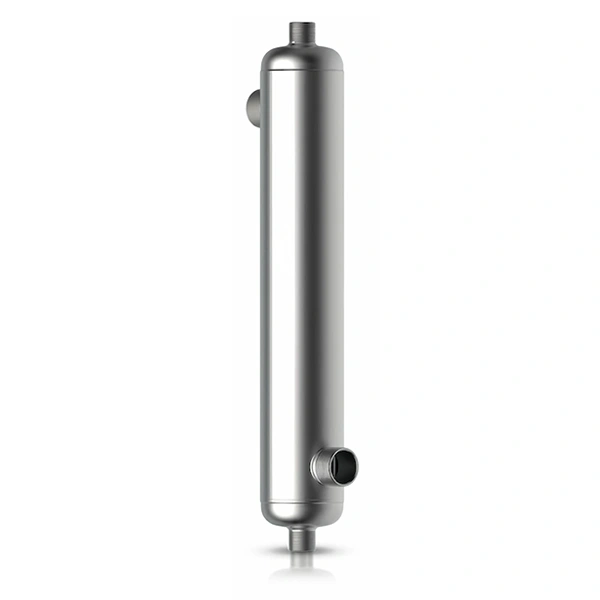
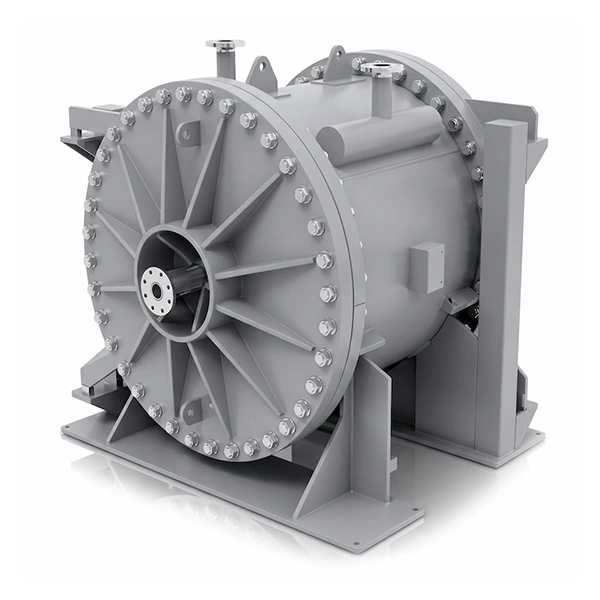
Fluid chemistry, flow rates, and corrosion exposure determine the right heat exchanger for your system.
Wastewater Treatment and Marine HX FAQ
Yes. Recovering heat from warm effluent streams and digestion processes can significantly offset facility heating requirements, lowering both energy consumption and operating costs.
Sediment, biofilm, scale deposits, and debris are the primary causes. Proper material selection, flow design, and regular maintenance help minimize fouling and maintain thermal performance.
Titanium offers exceptional resistance to saltwater corrosion, biofouling, and erosion. It outlasts standard stainless steel in seawater service, reducing replacement frequency and long-term maintenance costs.
Heat exchangers recover thermal energy from effluent streams, maintain temperatures in anaerobic and aerobic digestion processes, and preheat incoming water to reduce a facility’s overall energy demand.
Engineered Heat Transfer for Harsh Environments
Working with seawater, effluent, or corrosive process water? Talk to an AIC engineer about the right heat exchanger for your system.
Get Application Guidance