Heat Exchangers for HVAC
Protect Your Specs with Thermal Precision
An HVAC system is only as reliable as the heat transfer at its core. AIC heat exchangers are engineered to safeguard your design integrity. By maximizing heat transfer coefficients (U) and providing superior fouling resistance, we ensure your system maintains long-term operational stability. The result is a more resilient loop with lower lifecycle costs and extended equipment life.

Designed for your HVAC application:
- Biomass
- Boilers
- Geothermal
- Heat Pumps
- HVAC Commercial
- HVAC Residential
- Renewable Energy
- Solar
Solutions Matched to Your HVAC Application
Every HVAC project has unique performance requirements. AIC heat exchangers are designed to support a variety of heating and cooling applications with reliable thermal efficiency.
- Commercial & Residential Heating: Boiler loops, radiant heating, and domestic hot water in compact mechanical spaces.
- Renewable & Geothermal Systems: Solar thermal, biomass, and ground-source heat pumps with precise temperature control.
- District Heating & Central Plants: High-pressure, high-flow networks serving large-scale infrastructure.
- Chiller & Heat Pump Integration: Hydraulic separation that protects sensitive equipment and improves system efficiency.
The AIC Advantage
We don't just provide hardware. We help you deliver a system that performs in the field exactly as it does on paper.
Lower Total Cost
Reduced system stress means fewer maintenance intervals, lower energy consumption, and less unplanned downtime over the life of your equipment.
Faster Project Turnaround
Our engineering team provides detailed thermal performance recommendations so you can finalize specs and move to procurement faster.
Application Expertise
From single-building hydronic systems to multi-building district networks, we size and select units matched to your exact operating conditions.
Why HVAC Systems Need Thermal Separation
A heat exchanger creates hydraulic separation between your primary heating source and secondary distribution loop. This keeps both sides of the system operating independently, within their designed parameters.
- Contamination Prevention: Older distribution systems carry sludge, oxygen, and debris. Thermal separation isolates these contaminants from your primary equipment, keeping boilers, heat pumps, and chillers clean.
- Pressure Isolation: In high-rise or large-scale systems, static pressure can exceed equipment limits. A heat exchanger separates high-pressure distribution loops from low-pressure mechanical equipment.
- Zone Maintenance Without Shutdown: Isolate individual system zones for service without taking the entire HVAC system offline. Your building stays operational.
Choosing the Right HVAC Heat Exchanger
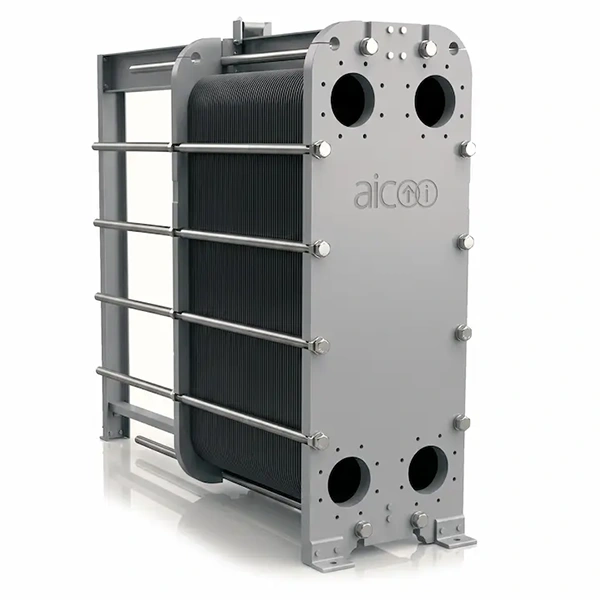
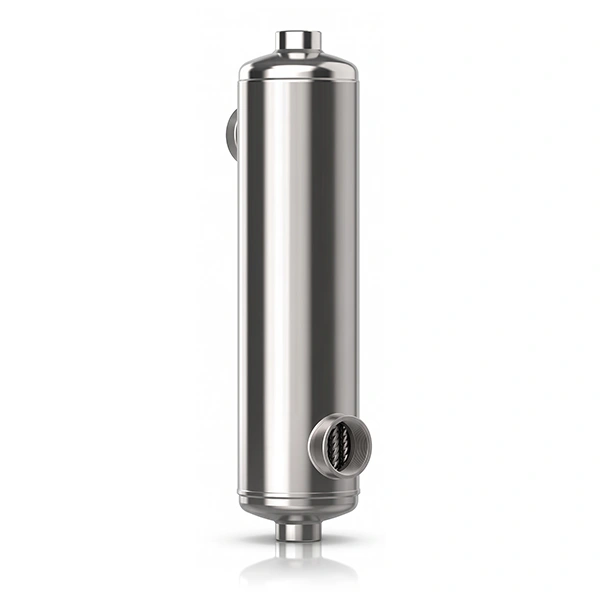
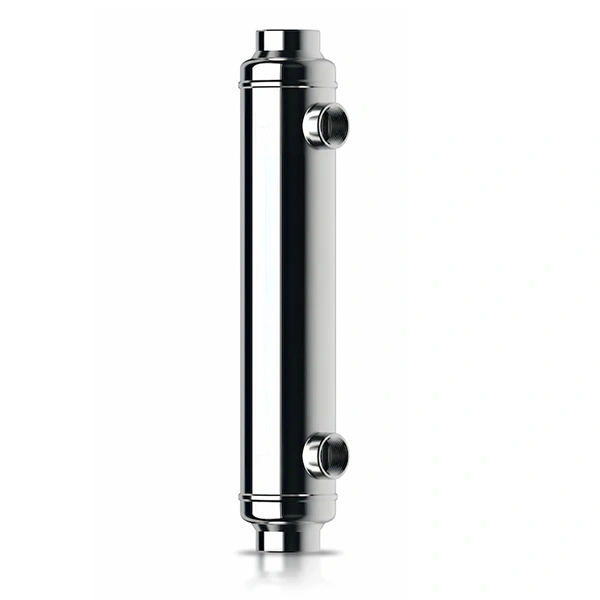
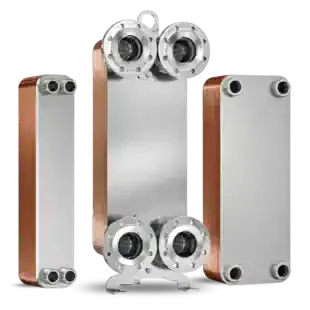
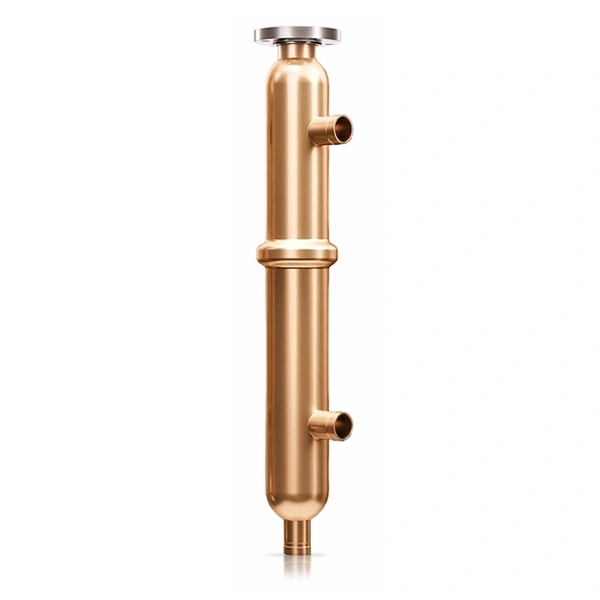
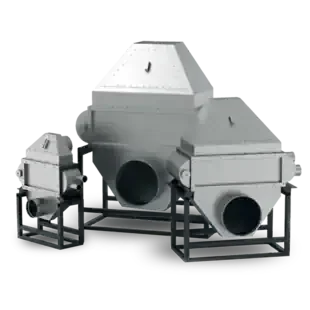
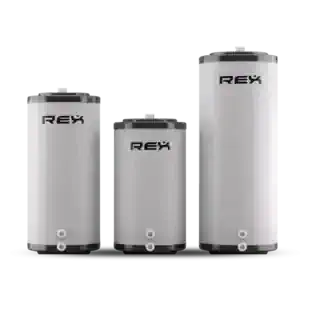
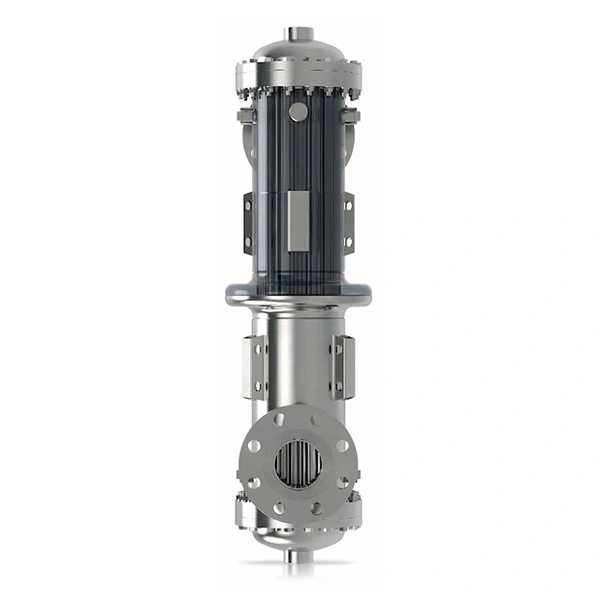
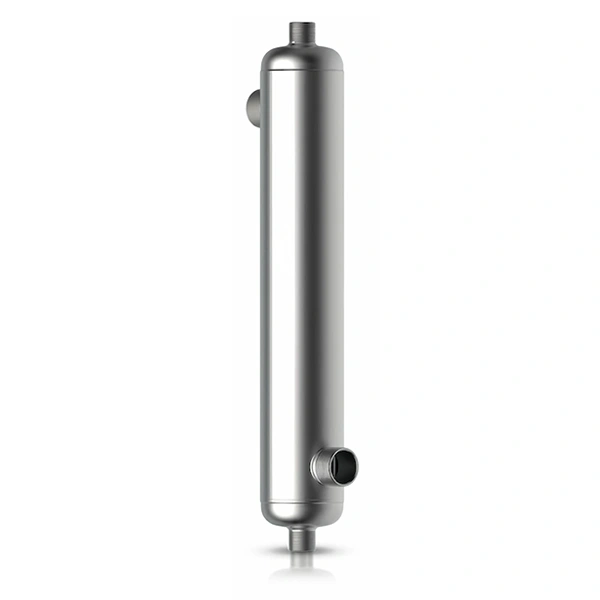
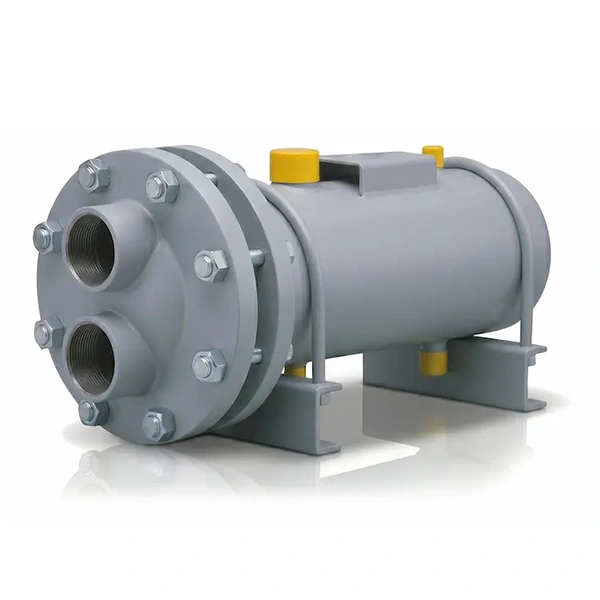
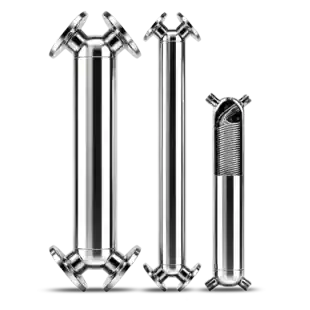
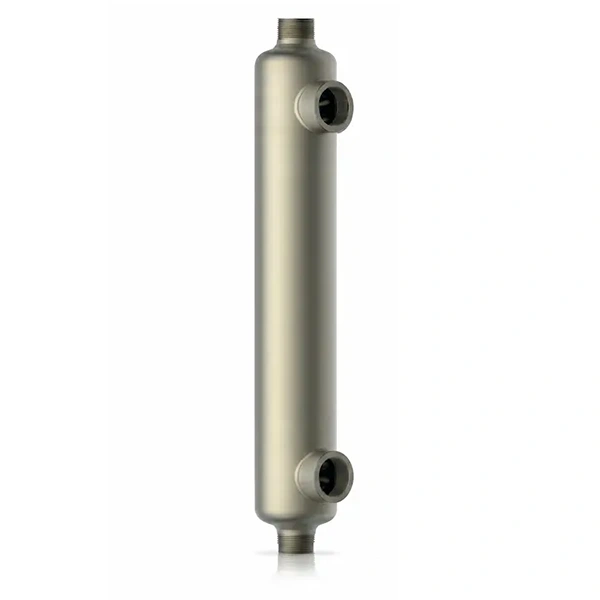
Not every application calls for the same heat exchanger. Whether you need the compact footprint of a brazed plate unit or the high-capacity durability of a shell-and-tube design, the right choice depends on your pressure requirements, flow rates, and system configuration.
HVAC FAQ
A heat exchanger keeps contaminants found in distribution loops away from the boiler. By creating hydraulic separation, the boiler operates with clean, treated water, which helps maintain peak efficiency and extend equipment life.
No. Although there is a small temperature difference across the exchanger (typically 2-5°F), thermal separation allows boilers and heat pumps to operate within their optimal efficiency range, which often improves overall system performance.
Double wall heat exchangers are typically required by building codes when heating potable or domestic hot water. They include a vented safety gap between the two plates that prevents cross-contamination between fluids. Always check your local code requirements to confirm.
Yes. For example, glycol can circulate through outdoor snow-melt or solar loops while treated water runs through the indoor heating system. This reduces chemical treatment costs and allows each loop to be optimized independently.
Talk to an HVAC Heat Exchanger Expert
Send us your flow rates, temperatures, and application details. Our engineering team will provide a recommendation tailored to your project, helping you lock in the right specs and keep your timeline on track.
Talk to an Expert